

GET ACCESS TO OUR AMAZING BLOG DIRECT TO YOUR INBOX
Get industry updates, tips, guides, training documents, white papers and much more direct to your inbox.
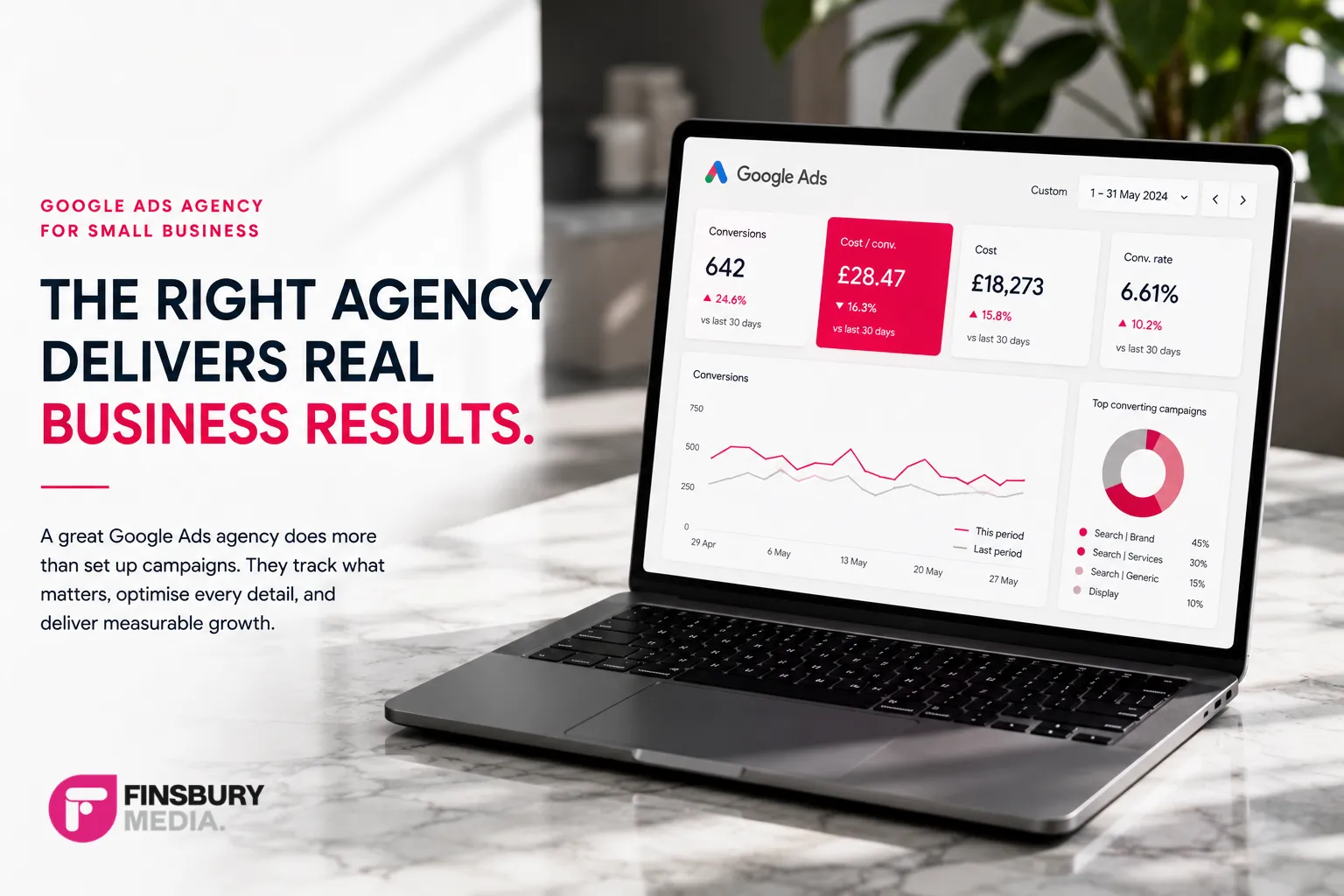
For a small business investing in Google Ads for the first time, choosing the right agency is one of the most consequential decisions in the process. The difference between a well-managed campaign and a poorly managed one is not a marginal variation in results — it is often the difference between a campaign that pays for itself and one that drains budget without generating the enquiries to justify it. Knowing what to look for before you commit to an agency relationship saves both money and time.
Start With Credentials
Google’s Premier Partner designation is the clearest baseline credential to look for. It indicates that the agency has demonstrated campaign performance, maintained a managed spend threshold, and passed Google’s product certification requirements across its team. Not every credible agency is a Premier Partner, but all Premier Partners have met objective criteria set by Google rather than self-assessed their own competence. For small businesses without the time to conduct extensive due diligence, it is a useful starting filter.
Beyond credentials, look for agencies that specialise in or have demonstrable experience with businesses of your scale and in your sector. An agency that primarily works with national e-commerce brands will approach a local trades or service business campaign differently from one that has managed comparable campaigns across a portfolio of SME clients.
Ask About Campaign Ownership and Access
One of the most important practical questions to ask any PPC agency is who owns the Google Ads account. Some agencies build campaigns in the client’s own account; others build in their own agency account. Neither is inherently better, but the implications differ. When campaigns are built in an agency-owned account, the historical data, audience lists, and conversion history remain with the agency if you choose to leave. Understanding the exit terms upfront is important.
Finsbury Media builds and manages all campaigns within its own Google Ads account, connected to its Conversion Optimisation Platform for full call and enquiry tracking from day one. The platform gives clients 24/7 visibility into campaign performance without needing to log into Google Ads directly.
Understand Exactly What the Management Fee Covers
The management fee is the ongoing cost of having the agency run your campaigns. What it actually includes varies considerably between agencies. Before signing, establish whether the fee covers the initial campaign build, ongoing keyword and negative keyword management, ad copy testing, bid adjustments, landing page review, and monthly reporting. Establish whether the Google platform fee is included or added on top. These details determine the real cost of the service and the scope of work you are purchasing.
A management fee of 25% of media spend, inclusive of the platform fee and covering the full management cycle, is a clear and straightforward structure. Any significant deviation from this — particularly fees that seem very low — warrants careful scrutiny of what is actually included.
Enquire About Tracking and Attribution
For many small businesses, particularly trade businesses and service providers, phone calls are the primary route to new enquiries. A Google Ads campaign that drives calls but cannot attribute those calls back to the keywords and ads that generated them is producing unverifiable results. Ask any agency how they track phone call enquiries and whether every call is recorded and attributed to keyword level.
Proper call tracking and keyword attribution are foundational to efficient budget management. Without them, it is impossible to know which campaigns, ad groups, and keywords are generating real business and which are generating clicks that go nowhere. Optimisation decisions made without attribution data are based on incomplete information, which typically means wasted spend continues longer than it should.
Look for Commercial Reporting, Not Just Data
Monthly reports from a PPC agency should tell you how many enquiries the campaign generated, what each enquiry cost, and how that compares to the previous month. They should explain what changed in the campaign and why, and close with a clear list of priorities for the coming month. A report that presents impressions, clicks, and average CPC without connecting those numbers to actual enquiries and commercial outcomes is not giving you the information you need to evaluate the return on your investment.
Finsbury Media’s approach to small business PPC is built around tightly focused campaigns, full attribution through our Conversion Optimisation Platform, and monthly reporting in commercial terms. If you want to understand what a well-managed Google Ads campaign could realistically deliver for your business, speak to the team. We work with small businesses across a wide range of sectors and are straightforward about what is achievable at every budget level.