

GET ACCESS TO OUR AMAZING BLOG DIRECT TO YOUR INBOX
Get industry updates, tips, guides, training documents, white papers and much more direct to your inbox.
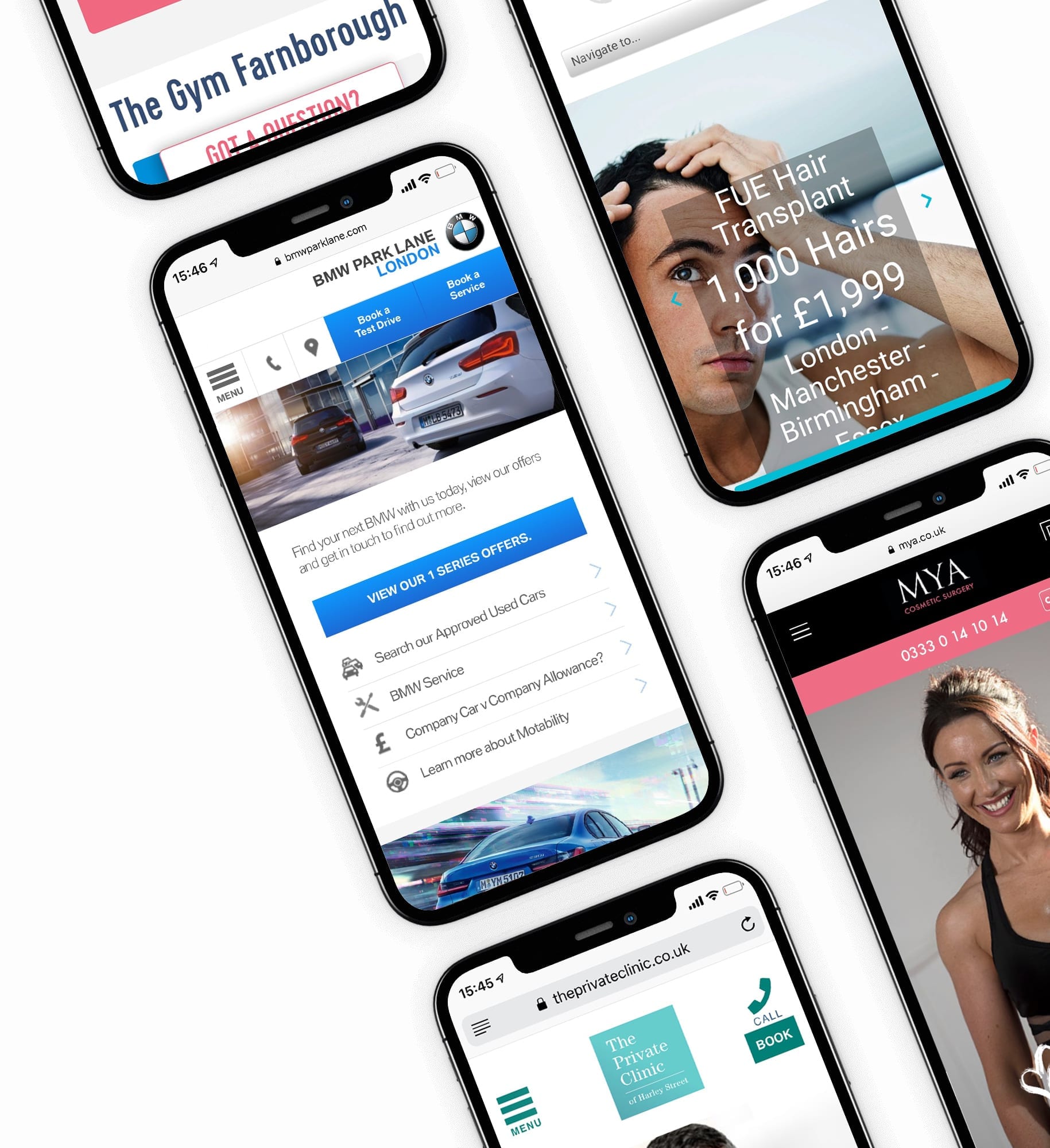
Why adaptive, mobile-first design is now non-negotiable
In 2026, a responsive website is no longer a “nice to have”—it’s a baseline requirement for any business that wants to stay visible, competitive, and profitable online. With users browsing across smartphones, tablets, laptops, foldables, smart TVs, and even in-car displays, websites must now adapt seamlessly to a constantly expanding range of screen sizes and interaction methods.
A skilled web designer remains essential, but modern responsive design goes far beyond layout adjustments. Today’s users expect speed, clarity, accessibility, and consistency—regardless of how or where they access your site.
Why Responsive Web Design Matters More Than Ever
The era of designing a single website and expecting it to perform equally well everywhere is long gone. Devices in 2026 vary not only in screen size, but also in orientation, resolution, touch capability, voice input, and connection speed.
As digital hardware continues to evolve, so must the way websites respond to it. Businesses increasingly prioritize responsive design because it:
- Improves usability and engagement
- Increases session duration and retention
- Drives higher conversion rates
- Supports long-term SEO performance
Search engines such as Google continue to emphasize mobile-first indexing, meaning the mobile version of your site plays a critical role in how your pages rank in search results. Sites that fail to deliver strong mobile experiences risk falling behind in the SERPs.
For e-commerce brands especially, mobile readiness is no longer optional. If your site struggles on smaller screens or loads slowly, users won’t wait—they’ll move on.
Modern Responsive Website Design Approaches
If you’re planning to upgrade or rebuild your website for 2026 standards, there are several responsive design approaches to consider. The right choice depends on your audience, technical resources, and business goals.
1. Adaptive Responsive Design
Adaptive design uses predefined layouts tailored to specific devices or screen ranges. Each version is optimized individually, allowing for faster load times and highly controlled presentation.
This approach works well when:
- Performance is critical
- User behavior differs significantly by device
- You want fine-grained control over layouts
However, adaptive design requires careful planning from the outset to ensure compatibility with both current and future devices.
2. CSS-Based Responsive Design
CSS responsive design dynamically adjusts layouts using device detection, breakpoints, and conditional styling. This allows designers to deliver different functionality depending on how users interact with the site.
For example:
- Mobile users may see collapsible menus and simplified navigation
- Desktop users may access richer layouts and expanded content
This flexibility makes CSS-driven responsiveness ideal for businesses with diverse user behaviors across devices. Over time, improved usability can positively influence engagement metrics and search visibility.
3. Pure Responsive Design (Fluid Layouts)
Pure responsive design relies on a single codebase that scales fluidly across all screen sizes. Layouts are controlled entirely through CSS media queries, flexible grids, and scalable assets.
Key benefits include:
- Easier maintenance
- Consistent branding across devices
- Future-proof adaptability
This approach is especially popular in 2026 due to its efficiency and compatibility with modern front-end frameworks.
Designing with Users—and Data—in Mind
Before investing in responsive web design, it’s essential to understand how your audience actually uses your site. Review analytics, study device breakdowns, and analyze user journeys. Competitor research can also provide insight into where industry standards are heading.
Smart planning includes:
- Prioritizing key devices instead of trying to optimize for everything
- Allocating budget based on real user behavior
- Using responsive rules to show or hide content by screen size
Responsive design allows you to guide attention toward the most important content on each device, which often leads to higher conversion rates and improved customer satisfaction.
The Long-Term Value of Responsive Design
Responsive websites deliver measurable benefits over time. They improve mobile visibility, support SEO growth, and help create a unified brand experience across all touchpoints. Since mobile optimization is deeply integrated into Google Search ranking algorithms, a well-implemented responsive site can directly impact organic performance.
With mobile and tablet traffic continuing to rise year after year, investing in responsive web design in 2026 is simply good business. A universal, flexible website ensures your brand remains accessible, credible, and ready for whatever new devices the future brings.